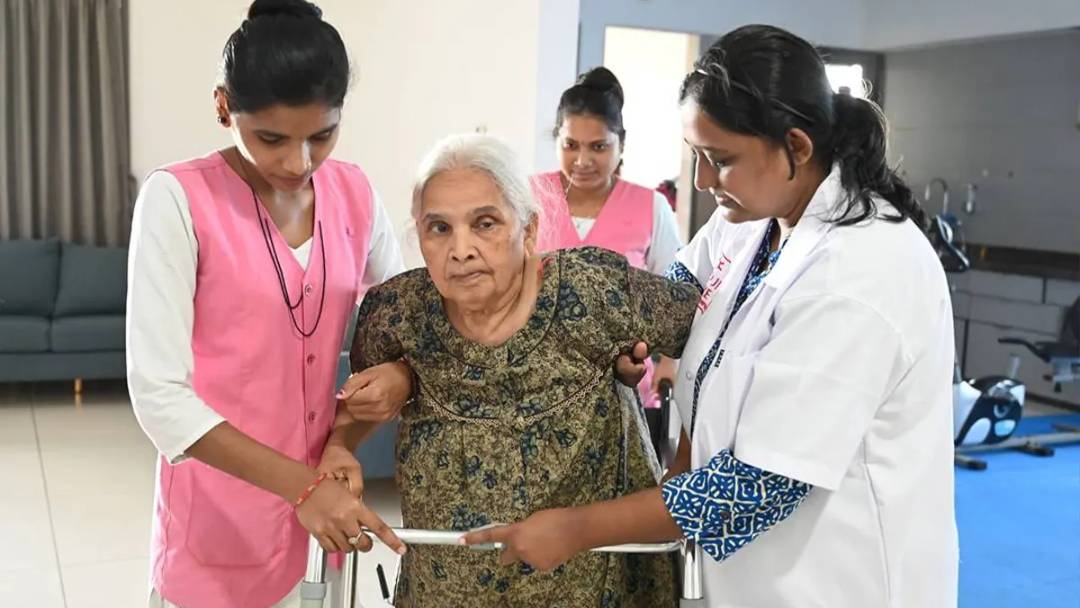
After undergoing surgery, patients often experience
physical limitations and challenges that can hinder
their daily activities. Post-surgery rehabilitation
focuses on addressing these issues through personalized
treatment plans tailored to meet individual needs. By
engaging in structured rehabilitation programs, patients
can regain strength, flexibility, and confidence,
essential for returning to their normal routines.
One of the cornerstones of post-surgery rehabilitation
is physical therapy. It involves exercises and
activities aimed at improving strength, flexibility, and
range of motion. Physical therapists guide patients
through targeted movements and exercises designed to
rebuild muscle strength and restore physical function
gradually.
• Occupational Therapy:
Occupational therapy focuses on helping patients
perform daily tasks and activities more independently.
Occupational therapists assess functional abilities
and provide interventions to enhance skills needed for
self- care, work, and leisure activities. This therapy
promotes independence and improves overall quality of
life during the recovery process.
• Pain Management:
Effective pain management is integral to post-surgery
rehabilitation. Pain specialists and healthcare
providers utilize various techniques, including
medications, therapeutic modalities, and alternative
therapies, to alleviate pain and discomfort. By
addressing pain proactively, patients can participate
more fully in rehabilitation activities and achieve
better recovery outcomes.
Common Challenges and Solutions
Challenge: Many patients experience significant
pain and discomfort during the initial stages of
post-surgery rehabilitation, which can discourage them
from fully participating in their recovery program.
Solution:
a) Pain Management Techniques:
Utilize a combination of pain relief methods, such as
prescribed medications, physical therapy modalities
like heat/cold therapy, and alternative treatments
such as acupuncture or massage.
b) Gradual Progression:
Start with gentle exercises and gradually increase
intensity to allow the body to adjust without
overwhelming pain.
c)Communication:
Maintain open communication with your healthcare
provider about your pain levels to adjust the
rehabilitation plan accordingly.
Overcoming Emotional and Psychological
Barriers
Challenge:
The emotional and psychological impact of surgery can
be significant, leading to feelings of frustration,
depression, or anxiety, which can hinder
rehabilitation efforts.
Solution:
a) Support System:
Engage family, friends, and support groups to provide
emotional support and encouragement.
b) Professional Help:
Seek assistance from mental health professionals, such
as counselors or psychologists, to address emotional
challenges.:
c) Mind-Body Practices:
Incorporate relaxation techniques like mindfulness,
meditation, or yoga to improve mental well-being and
reduce stress.
Addressing Setbacks and Slow Progress
Challenge:
Recovery is not always linear, and patients may
experience setbacks or perceive their progress as
slow, leading to discouragement.
Solution:
a) Realistic Expectations:
Set achievable and realistic goals, understanding that
recovery takes time and progress can vary.
b) Positive Reinforcement:
Celebrate small milestones and improvements to stay
motivated and maintain a positive outlook.
c) Flexible Approach:
Be adaptable and willing to modify the rehabilitation
plan as needed to accommodate any setbacks or changes
in progress.:
Key Benefits of Post-Surgery Rehabilitation
• Accelerated Recovery:
Engaging in post-surgery rehabilitation accelerates
the recovery process by promoting healing and
preventing complications.
• Improved Mobility and Functionality:
Rehabilitation enhances mobility, coordination, and
functional abilities, enabling patients to regain
independence and resume daily activities.
• Pain Relief and Management:
Comprehensive pain management strategies alleviate
discomfort, allowing patients to focus on
rehabilitation goals and improve their overall
well-being.
• Prevention of Complications:
Rehabilitation programs reduce the risk of
post-surgical complications such as muscle atrophy,
joint stiffness, and contractures, promoting long-term
recovery and health.
Conclusion
In conclusion, post-surgery rehabilitation
plays a pivotal role in facilitating a smooth
transition to recovery for patients undergoing
surgical procedures. By integrating physical therapy,
occupational therapy, and effective pain management,
rehabilitation programs enhance recovery outcomes,
improve quality of life, and empower patients to
regain independence and functionality. Emphasizing the
importance of personalized care and comprehensive
rehabilitation, healthcare providers at Kadji Care in
Vadodara are committed to supporting patients on their
journey to recovery.